Why 'Averaging Out' Your Customers is a Corporate Trap
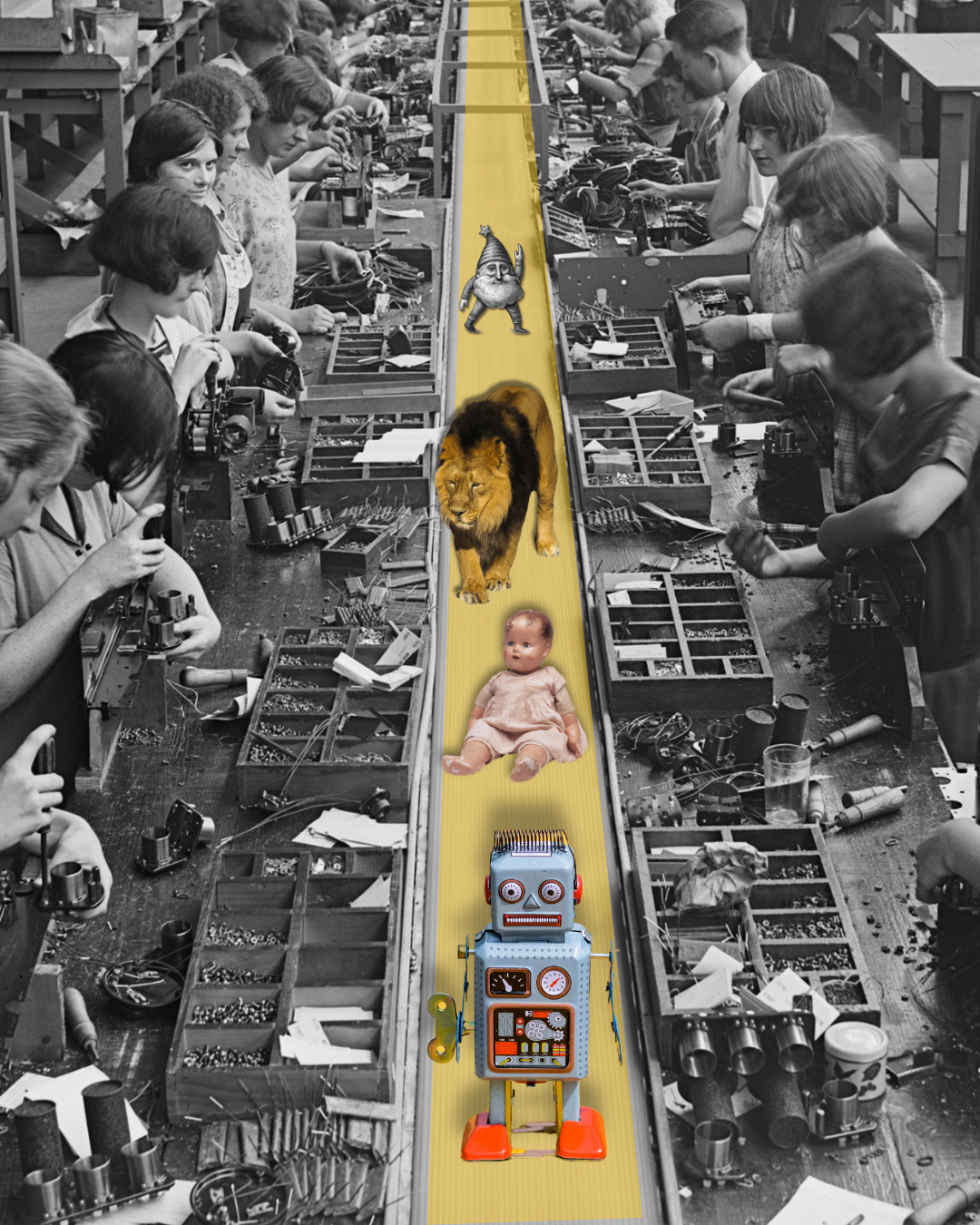
If you have ever sat down to write a piece of marketing copy, a social media post, or an email newsletter, and found yourself staring at a blank screen with a growing sense of dread, you are not alone. It is an incredibly common feeling, and it almost always happens because of one specific, deeply frustrating piece of corporate business advice that we have all been fed for decades.
You have probably been told, either by some polished marketing guru on LinkedIn or in a traditional business textbook designed for multinational conglomerates, that the first step to marketing success is to define your target demographic. You are instructed to write down things like: "women aged twenty-five to forty-five, with a moderate disposable income, who live in suburban areas and enjoy wellness."
It sounds very professional, doesn't it? It fits neatly into a colourful presentation slide. But here is the cold, hard truth, when you try to write for that generic demographic, you end up writing something so beige, so watered down, and so entirely devoid of personality that it appeals to absolutely nobody. You are trying to speak to a statistical mid-point rather than a human being.
You have fallen headfirst into the trap of trying to market to the mythical average customer. And for a small, purpose-led business, that trap can be quiet, frustrating, and ultimately fatal.
In my book, The ND Business: Build a Business the Neurodivergent Way, which you can grab on Amazon, I talk extensively about why trying to fit your entrepreneurial journey into rigid corporate boxes is a recipe for creative burnout. This is especially true when it comes to how you find and speak to your customers. If you are a neurodivergent entrepreneur, or simply a founder who wants to build an authentic, human-first business, copying the marketing playbooks of faceless corporate giants is the quickest way to lose the magic that made you start your business in the first place.
Let us look at why this "averaging out" strategy is such a dangerous trap, and how you can break free from it to build genuine, lasting connections with the people who actually need what you do.
The Myth of the Average Customer
The average customer does not actually exist. They are a statistical ghost, a mathematical calculation created by corporate departments who need to justify their multi-million-pound media budgets to a board of directors.
When a massive supermarket chain or a global bank creates a marketing campaign, they have to average out their audience. They are forced to find the lowest common denominator because they need to sell millions of units to survive. Their marketing has to be safe, highly standardized, and broad. It must appeal to everyone just enough that they do not actively dislike it, but it rarely makes anyone feel deeply understood, inspired, or seen.
As a small business, your business model is entirely different. You do not need to sell to millions of people to keep the lights on. You do not have a board of corporate directors to satisfy, and you certainly do not have a television-sized budget to waste on generic, forgettable messages.
When you average out human beings, you strip away everything that makes them real, interesting, and loyal. You ignore their specific quirks, their actual daily frustrations, their vocabulary, and their unique sense of humour. You are left with a bland, empty profile that tells you nothing about why a real person would choose to spend their hard-earned money with a founder-led business like yours.
The Spreadsheet Trap
Corporate marketing is absolutely obsessed with data, spreadsheets, and neat little boxes. They talk about "customer segments" and "demographic targeting" as if they are directing a military operation.
If you are a neurodivergent business owner, or any entrepreneur who operates from a place of deep intuition, empathy, and personal passion, this spreadsheet-driven approach can cause instant decision paralysis. It makes the beautiful, exciting, and highly personal act of starting a business feel cold, clinical, and incredibly boring. The administrative weight of managing these artificial segments can easily trigger demand avoidance, leaving you feeling like marketing is a heavy burden rather than an exciting conversation.
The pressure to copy these corporate methods is immense because we are taught that this is how "proper" businesses operate. But the spreadsheet trap completely ignores the most valuable asset you possess, your humanity and your personal story.
When you treat your audience like a list of statistics, your marketing copy naturally becomes a chore. It starts to feel performative, and you begin writing what you think you are supposed to say, rather than what you actually believe or how you actually talk in real life. The moment you start doing that, you lose the very thing that makes your business magnetic.
Smallness is a Superpower
Here is the secret that the big corporate agencies do not want you to know, your smallness is your ultimate competitive advantage.
Because you do not need to appeal to everyone on the planet, you can afford to be highly specific. You can afford to be weird, highly opinionated, intensely passionate, and completely authentic. You do not have to water down your message to avoid offending a corporate sponsor, a conservative shareholder, or a generic customer segment.
At Inkie, we do not try to appeal to every single small business owner in the UK. We built our platform specifically for the rebels, the creatives, and the neurodivergent entrepreneurs who are utterly exhausted by traditional, high-pressure marketing tactics and complicated tech setups. We write our content for the people who want their marketing admin to largely disappear so they can focus on their actual work.
By being incredibly specific about who we are and who we serve, we build a level of trust and loyalty that a faceless corporation could only dream of. Our audience knows exactly what we stand for, and more importantly, they know we understand their lived experience.
Finding Your True Target
So, how do you find your people without relying on useless corporate demographics and empty statistics?
You start by looking for real individuals, not averages. Think about a single person you know, or a very specific type of founder, who is currently struggling with their business. Think about the woman CEO who is incredibly capable but is completely trapped because her business cannot run for a single day without her. Or think about the neurodivergent business owner who escaped rigid employment only to find themselves completely overwhelmed by executive function demands, invoices, and consistent social media posting schedules.
What are they feeling at ten o'clock on a Sunday night when they realize they have not posted anything on social media for two weeks? What keeps them awake? What are the unspoken rules of business that they feel everyone else understands instinctively but they do not?
When you write your blog posts, your emails, and your social media captions, write them as if you are talking directly to that one real, living, breathing person. Do not try to write for a crowd. Speak directly to the individual.
When you do this, your copy instantly becomes warmer, more direct, and infinitely more engaging. The right people will read your words and feel an immediate, profound sense of relief. They will realize that you actually get it, and that is the exact moment a casual reader becomes a lifelong supporter.
Build It on Your Own Terms
You did not start your business to build a tiny, stressful version of a corporate machine. You built it because you wanted freedom, alignment, and a way to make a real difference in the world while working with your brain rather than constantly fighting against it.
It is time to throw out the corporate marketing rulebook. Stop trying to average out your audience, stop trying to fit your vibrant, unique business into a grey spreadsheet, and start speaking directly from the heart to the individuals who need your unique genius.
If you want to learn more about how to navigate these challenges and build a business that works beautifully with your brain, my book, The ND Business: Build a Business the Neurodivergent Way, is packed with practical, honest, and slightly rebellious advice designed specifically for people who think differently. It is available right now on Amazon, and it is my absolute love letter to everyone trying to make their own way in a business system that was never built for them in the first place.
Be bold, be specific, and let the corporate giants keep their spreadsheets. You have got something much better, a real, human connection.